
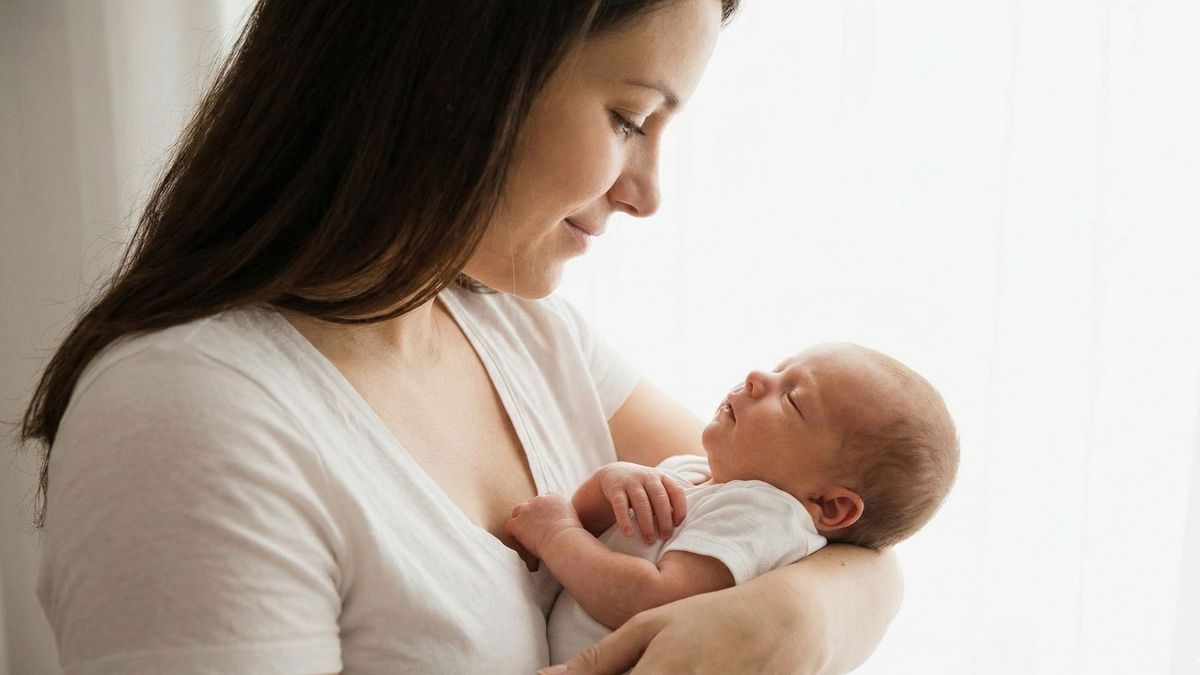
The arrival of a new baby is one of life’s most profound transitions, bringing immense joy alongside significant physical adjustments. As we guide our patients through the fourth trimester, we emphasize that your body requires time and grace to heal after the incredible feat of childbirth. Understanding what to expect can ease anxiety during this vulnerable period. We believe that being informed about the common, yet often surprising, physiological shifts that occur after delivery is essential for a healthy recovery. Here are four normal things you may experience as your body begins its postpartum transformation.

Postpartum Bleeding and Discharge
It is completely normal to experience vaginal discharge, known as lochia, for several weeks following delivery. This process is how your body sheds the lining of the uterus used during pregnancy. Initially, the flow will be bright red and heavy, similar to a period, but it will gradually taper off and change to a pinkish, brown, or yellowish-white color.
Uterine Cramping and Shrinking
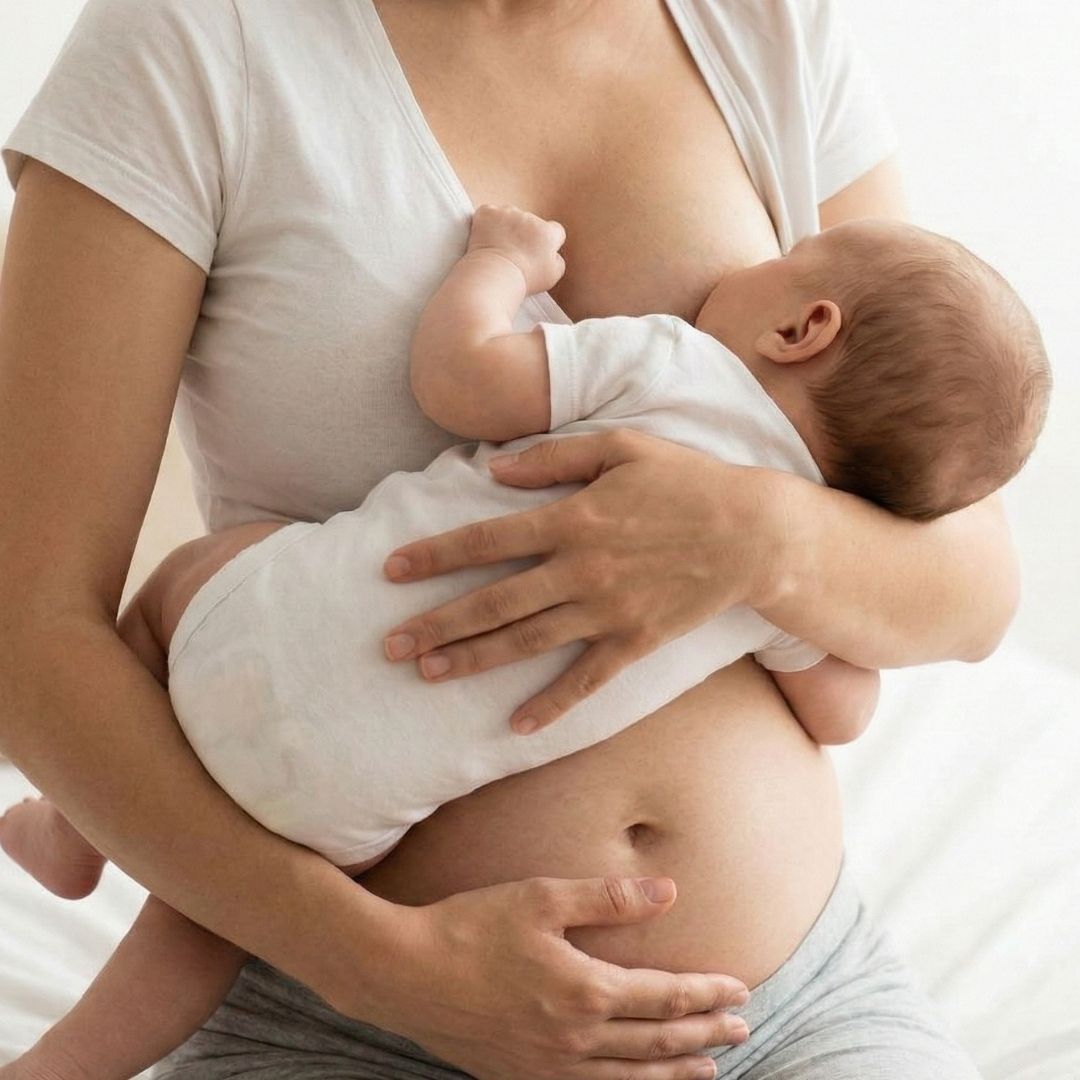
You may feel noticeable cramping, often referred to as "afterpains," as your uterus begins the vital process of shrinking back to its pre-pregnancy size. These sensations are frequently more intense while breastfeeding because the release of oxytocin triggers uterine contractions. While uncomfortable, these cramps are a positive sign that your body is effectively minimizing blood loss and returning to its natural state.

Night Sweats and Hormonal Shifting
Many of our patients are surprised by intense night sweats during the first few weeks at home. This occurs as your body rapidly adjusts to a significant drop in estrogen and progesterone levels while simultaneously working to eliminate the extra fluid retained during pregnancy. Waking up damp is a common way your system rebalances its hormones and fluid levels during early recovery.
Hair Thinning and Texture Changes
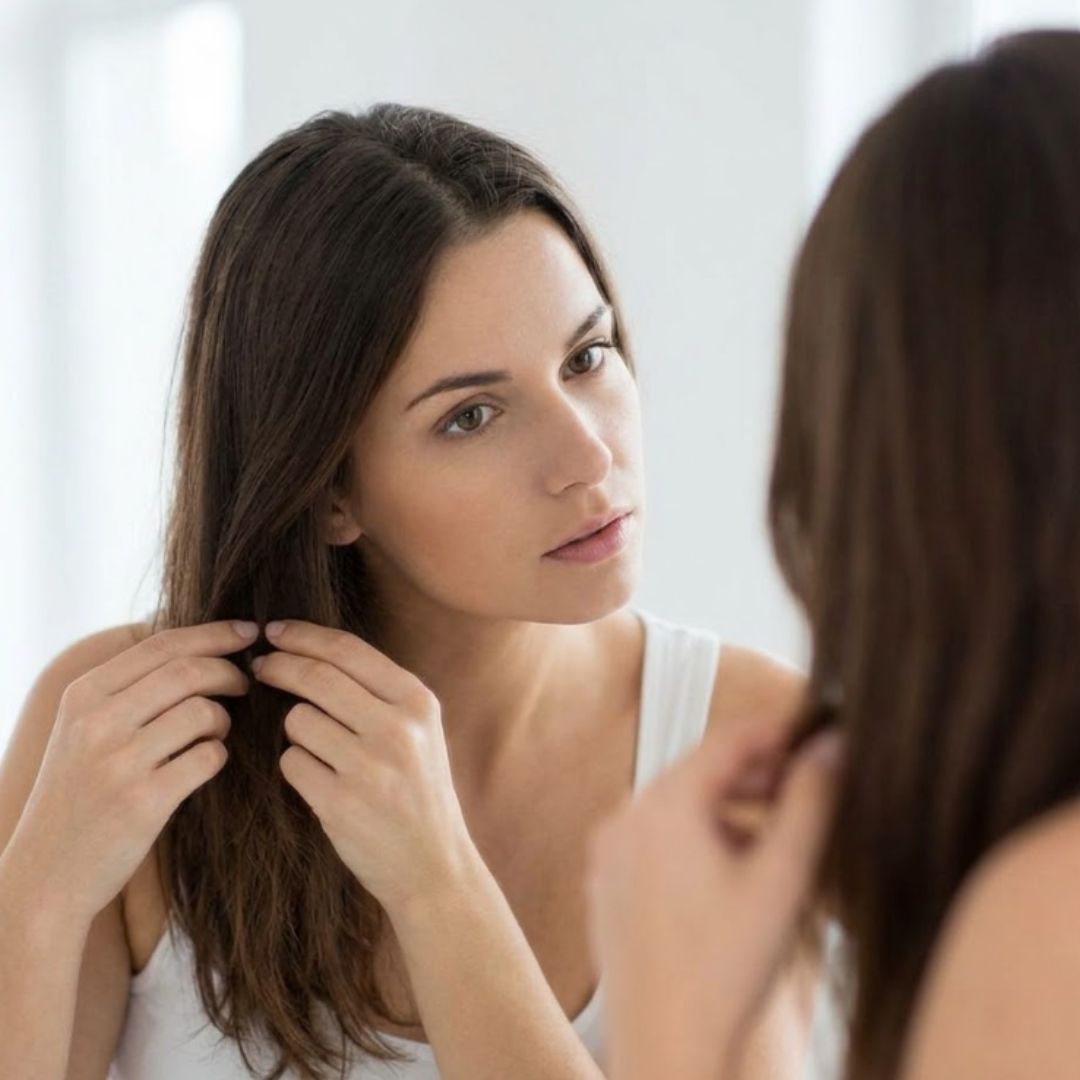
During pregnancy, high hormone levels often prevent the normal shedding of hair, resulting in a thicker mane. Once you enter the postpartum phase, those hormone levels stabilize, leading to what many call "postpartum hair loss." You might notice significant shedding or thinning around three to four months after birth, but rest assured this is temporary as your growth cycle resets.
Navigating the postpartum period requires patience as your body undergoes these natural and necessary transitions. From managing lochia to understanding hormonal shifts, these changes are a testament to the work your body has done. At University Park OBGYN, we are dedicated to providing compassionate, patient-centered care to support you through every stage of motherhood. Whether you have questions about your physical healing or emotional well-being, our team is here to listen and provide the expert guidance you deserve. If you are experiencing concerns during your recovery, we invite you to contact us to discuss your symptoms. Would you like to schedule a postpartum check-up with one of our providers to ensure your recovery is on the right track?